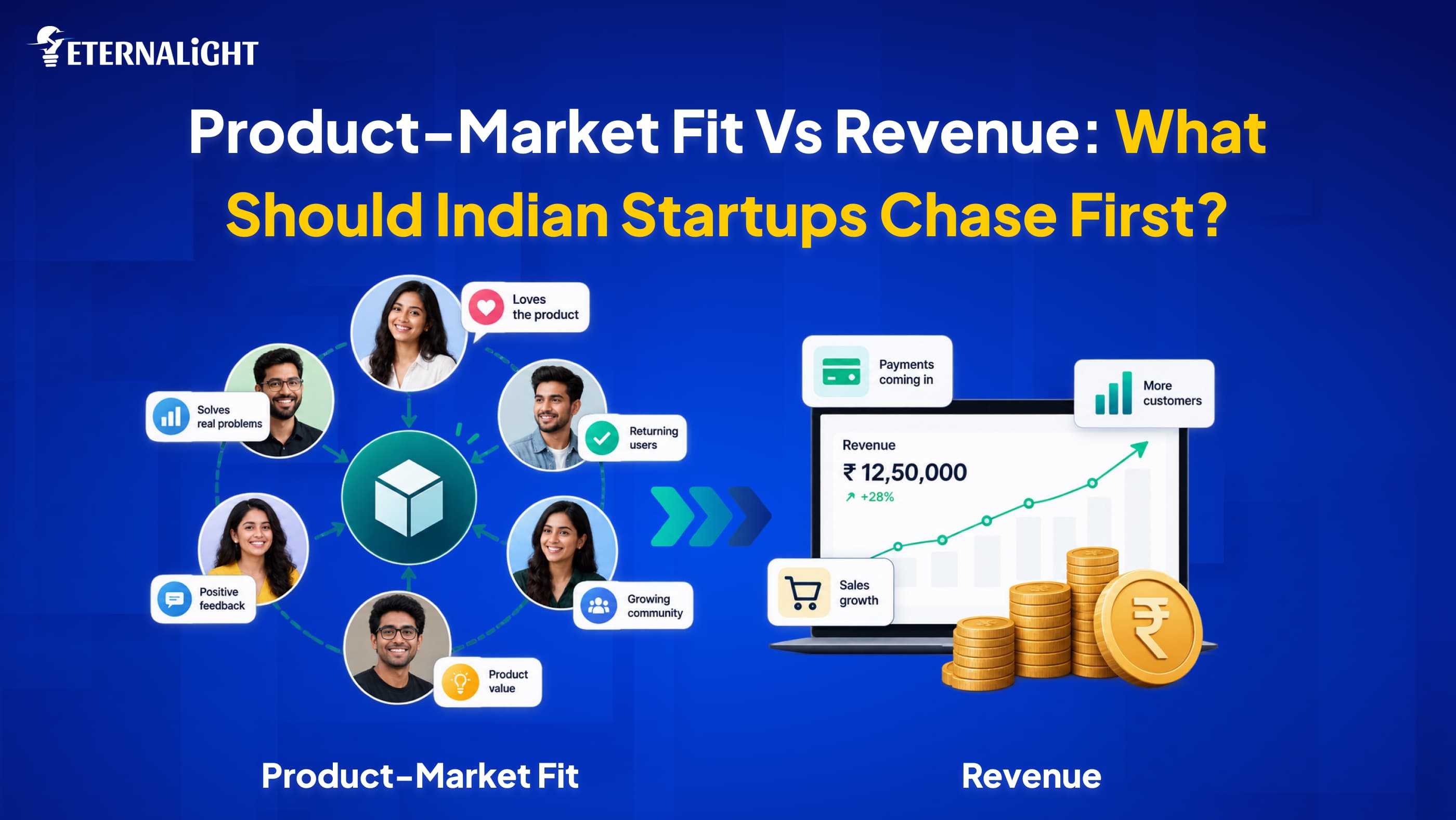
A founder has many hopes with every product they launch, and even 5 to 10 captures can turn heads and lead to a purchase that feels like a win. Satisfaction comes when someone buys.
Maybe those customers were impressed by the tagline, pitch, ad, vibe, or a discount. The reason could be anything. But that doesn’t mean you’ve built an audience that is wooed by the product or that they will recommend it to others, so you will get returns for your efforts.
It's challenging to achieve product-market fit because every customer has different buying behaviors, patterns, and expectations that shape their decisions. Sometimes customers like the product and are impressed with the features but ditch it because of the higher price.
A good sales pitch can work in the initial stage, but if the product doesn’t satisfy the customer by solving their existing problem and aligning with their needs, they're unlikely to return to buy.
Even with limited resources and team members, a product can work. As a founder, if you’re working on a product, what are your priorities: getting revenue first or achieving product-market fit?
Before you brainstorm or debate, know the difference: what does product-market fit actually mean vs. revenue?
Product-Market Fit vs Revenue: What’s the Difference?
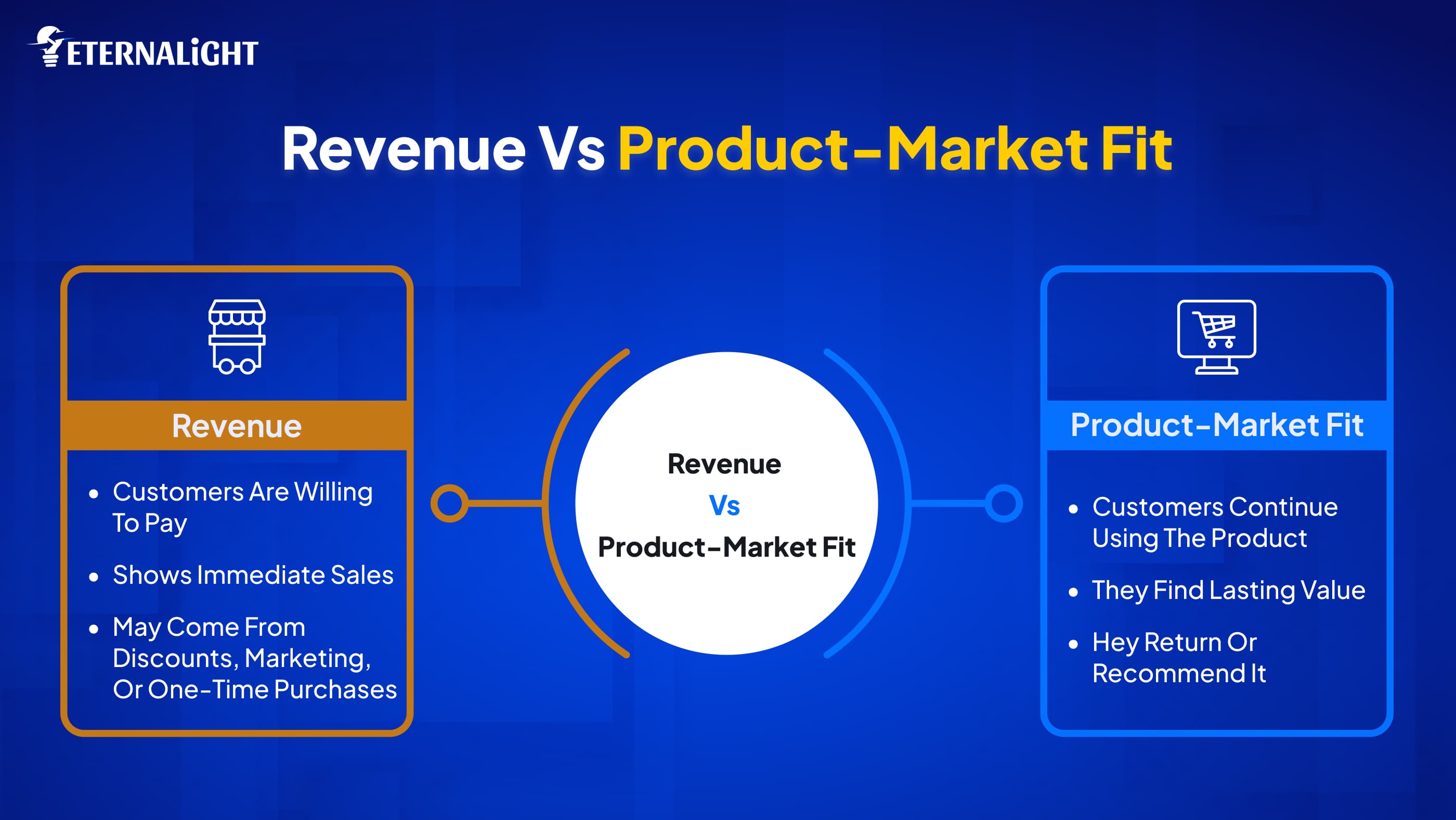
It’s a trick question, and the answer is even more confusing. Both are different stages; PMF simply means the product is at the evaluation stage if it has the value to attract customers without any single marketing tactic.
You haven't spent much on sales; it has automatically gained customer/user attention through word of mouth from people who have purchased it. The acquisition rate and net profit numbers show how much the product is trending without any paid efforts. Investors are also approaching, seeing the potential.
Now the founders are thinking less about what customers think and whether they will purchase it. They see that customers already understand the product's utility without further explanation.
Why Product-Market Fit Usually Comes Before Aggressive Growth
No matter how good your marketing team is, spending on advertising campaigns or other ways to reach the market is a waste if the product doesn’t make sense.
You don’t need to spend thousands to push people to discover your product; they should come organically, understanding its value and use case. Aggressive marketing works initially, but it can’t sustain customers long-term.
When Should Revenue Come First?
Every founder builds a product and offers services to earn money, but it doesn’t happen overnight. Money is an essential building block for a sustainable business. Sometimes B2B startups keep building new products with essential features to manage their market presence without thinking about future scalability.
They keep building custom software solutions aligned with user expectations, but customers only share the business requirements they want in a digital product. They’re not aware of the trends or future expansion.
No need to build multiple products to attract customers; one product can generate revenue if built strategically. If customer expectations evolve, don’t start from scratch; add what's needed.
What Should Indian Startups Measure at Each Stage?
When a startup enters the market and explores its surroundings, it may notice many competitors outperforming and growing. Instead of getting overwhelmed by what they’re doing, discover the opportunities that are hidden where they are missing. Do in-depth research and list the KPIs and SaaS metrics to evaluate your efforts and know whether you have product-market fit or can move forward.
Validation Stage: Pre-stage of Product-market Fit
There’s nothing wrong with aspiring to a revenue-driven product, but first it needs to fit a market need; then you can look at the numbers. First, make the journey worthy enough by validating the idea.
The Traction Stage: Getting the Market Spot
Instead of spending heavily on advertising and paid marketing, make the product appealing to the customers the market organically demands.
If one user loves the product, they encourage others to try it, refer it, and improve acquisition. Also find the channels where your product is in high demand, and keep optimizing them to drive profit while managing customer acquisition cost.
Ensure that NPS (Net Promoter Score) hits 50+
Monetization Stage: Getting Numbers
Here at this stage, your product starts getting traction. Ensure that LTV >>>CAC
Your NRR should increase, meaning your customer base keeps growing, customers keep asking for more, and you deliver real value.
When your product is approved and validated by the customer, and it progresses through each stage, it will generate compound growth and help you beat your competitors.
The Indian Startup Reality: Why PMF Is More Complicated
As we mentioned earlier, if your product is gaining traction early and driving curiosity and interest among customers, don’t be obsessed with positive adoption and hype as a proxy for PMF.
People love to explore every new launch, like games and apps; they may sign up, download, or follow sometimes, but that doesn’t mean they’ve become loyal members or customers. On the surface, you may see the numbers increase, but what matters more is retention, daily active users, and returns. If people sign up, follow, and then forget for days without interacting with the product, it's not worth it. It means the product still didn’t get the spot.
A wise software development company won’t spend all its effort and budget building a full-fledged app; it first validates the idea with a micro app or MVP to test the product's feasibility and utility, whether it is necessary in the current market or not. Instead of building on assumptions, they first get confirmed signals of why they should build it.
If customers are taking interest initially, it doesn’t mean they are going to purchase; you know the window shopping they do- they enter, explore products, ask the salesperson- but it doesn’t mean they will end up buying.
It's the reality of Indian customers: they may be attracted by the appearance, but when it comes to price, they take a step back. To achieve product-market fit, founders need to understand customer mindset and geographical insights.
Even if the product looks interesting, adds value, and feels like a lifestyle statement, they won't buy it if the price is too high. So, while building the product, think from an economic perspective and launch interesting offers so customers won’t hesitate.
In India, if you are launching an app or product, it must have an emotional quotient relevant to real-life expectations and scenarios. Compare Myntra, Nykaa, and other platforms. Myntra and Nykaa excel at offers and product quality, but why do some people still compare them with Flipkart and Meesho? Because they sell products at competitive rates.
If a company is launching any type of application or software, it must run on mobile devices with offline connectivity. If the product lacks functionality and only works in metro cities, it’s harder to capture the larger user base.
In India, people buy products or use apps only when they hear something interesting and value-driven. If a product has fewer reviews and ratings, they might not download or purchase it. To achieve product-market fit and grow as a brand, you need word of mouth, testimonials, and visuals to build trust with customers/users.
PMF Isn’t a Finish Line: Think in Terms of Market Pull
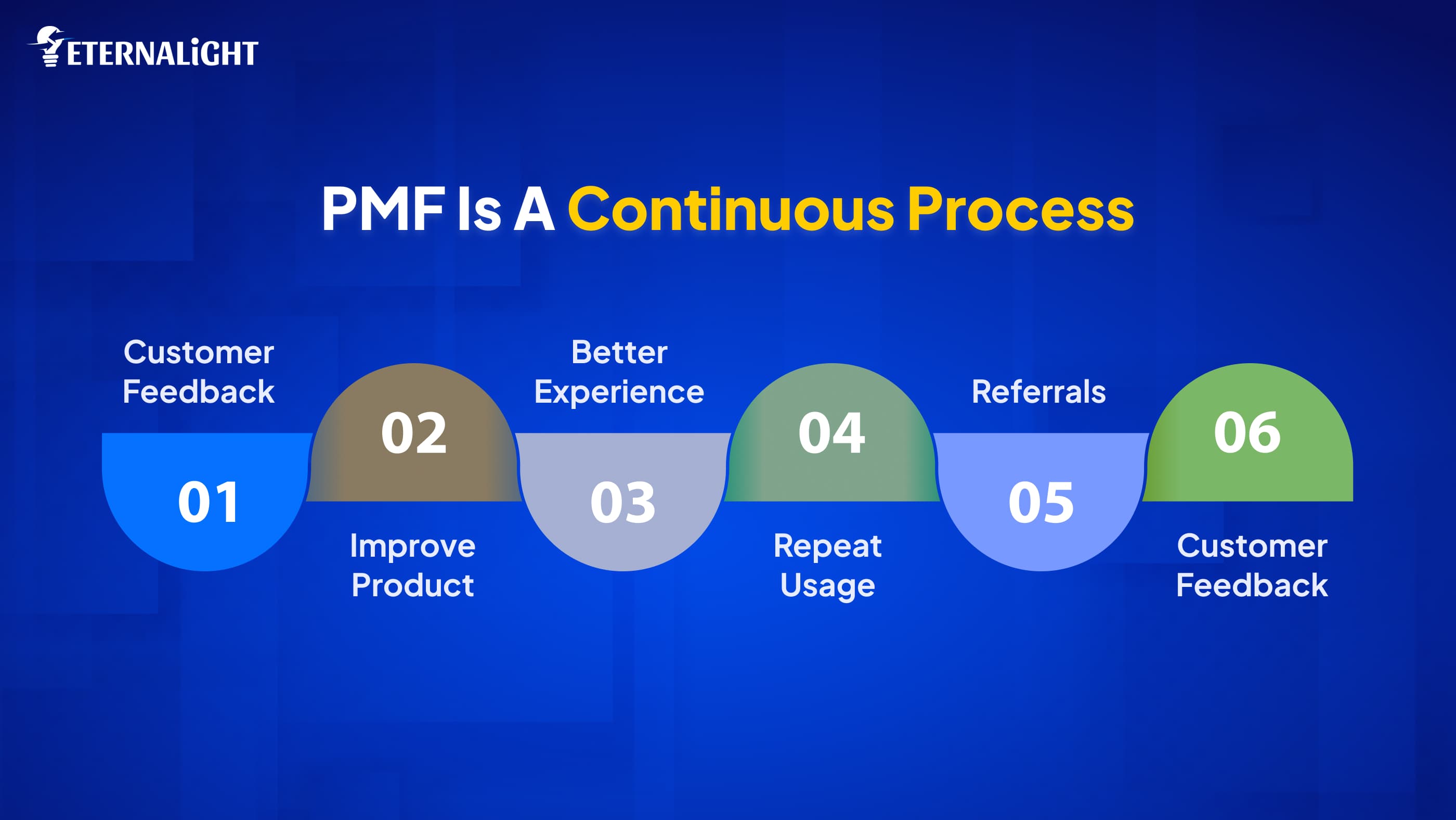
Even after you know a product is market fit, there’s still no guarantee it will maintain growth momentum. Customers will have good and bad experiences; some aspects they may love, and for some they may ask to change, and they will leave feedback. But that engagement will somehow create the hype that something new is trending in the market, but you shouldn’t get too excited and should focus on other growth-driven indicators.
- Retention is a genuine indicator of product-market fit. If the product is valuable and has become a habit, it's hard to miss in real life; startup founders can measure it through sales.
- Are customers returning to buy your product?
- Can that product solve their problems?
- Are new users being attracted to your product without any paid promotional strategies?
- Evaluate engagement: are people interacting with the product frequently for their routine work and operations?
- Pay attention to what customers and users are saying about the product: are they complaining, asking for improvements, or what features they’ve loved?
- Are they talking about it on social media platforms or in groups, or recommending the product for future purchase?
Founders sometimes get confused about product-market fit. In the early phase, each new launch can create a viral sensation in the market, but that doesn't mean the product is growing or has created a unique identity. PMF isn't about how many people have signed up or downloaded, but how many stay and keep returning for frequent use.
You have just introduced the product, and your first few customer share their experiences and suggestions on what they like or dislike. Wait, let it expand into other regions and personas, then ask for feedback. Observe buying behavior patterns to identify core issues and the value they drive. Don't start refining until you get the true insights.
Market dynamics change, and trends evolve, but that doesn't mean customers always need innovation; sometimes they don't feel comfortable with new features. Founders need to pay constant attention to what customers want and, if they ever disappoint them, how they can compensate and re-engage the customer because the product still isn't a market fit.
Conclusion
It’s a debatable topic: Product-market fit vs. revenue what should be the main focus?
Every startup and enterprise founder aims to generate high revenue. To do that, they adopt strategies like offering discounts or attention-grabbing pitches, but without understanding where your product stands, it's all waste.
Understand the funnel first: do you have loyal customers and a strong acquisition rate, or does the product still not align with expectations?
In this fragmented world, identify what content users get from your product and how they get it; make sure the product is scalable, sustainable, and fit for the need. It will automatically generate revenue, validating your idea.

Ayushi Shrivastava
Senior Content Writer
Ayushi is a Content Strategist at Eternalight Infotech with 4 years of experience in transforming complex ideas into clear, engaging, and SEO optimized narratives. She specializes in crafting impactful content strategies that enhance brand visibility and drive meaningful engagement across digital platforms.
Related Blogs
- Software Development9 Mins
Why Tech Leaders Are Heading Toward Intelligence Engineering in Startups in 2026
See why tech leaders are moving toward intelligence engineering and how it can help startups make smarter AI decisions, reduce waste, and scale
- Software Development11 Mins
Perspective on Founder Credibility: Why It Matters and How to Build It
Founder credibility can shape how customers, partners, and investors see your startup. Learn what builds it and how founders can strengthen trust as they grow.
 Software Development10 Mins
5 Social Media Strategies for Early-Stage Startup Founders
Learn how startup founders can use social media to build trust, increase visibility, and attract customers.